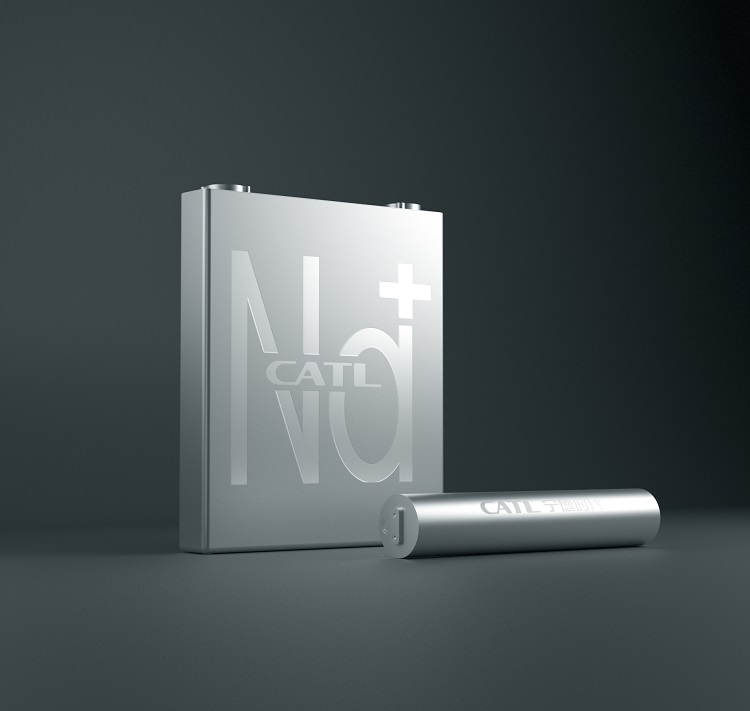
When an industry leader like CATL shifts gears, the ripple effect is massive—and that’s exactly what’s happening. This year CATL unveiled its new sodium‑ion battery platform under the brand name “Naxtra”, signalling that sodium‑ion (Na‑ion) chemistry may finally be ready for the big time. Coherent Market Insights+2Aaj English TV+2
Why Sodium‑Ion Matters
Historically sodium‑ion batteries have promised many of the benefits of lithium‑ion—but with one major hitch: lower energy density or higher cost meant they never quite broke through.
Here’s what makes this development important:
- Sodium is much more abundant than lithium, offering a path to lower raw material costs and supply‑chain resilience.
- CATL’s latest announcement puts Naxtra at an energy density of around 175 Wh/kg, and claims of driving ranges over 500 km in EV applications are on the table.
- Mass‑production is slated for 2026, with commercialization already underway in select applications.
- Safety, low‑temperature performance and cost‑effectiveness are emphasized. For example, CATL says these sodium‑ion cells pass national standard certification for power batteries.
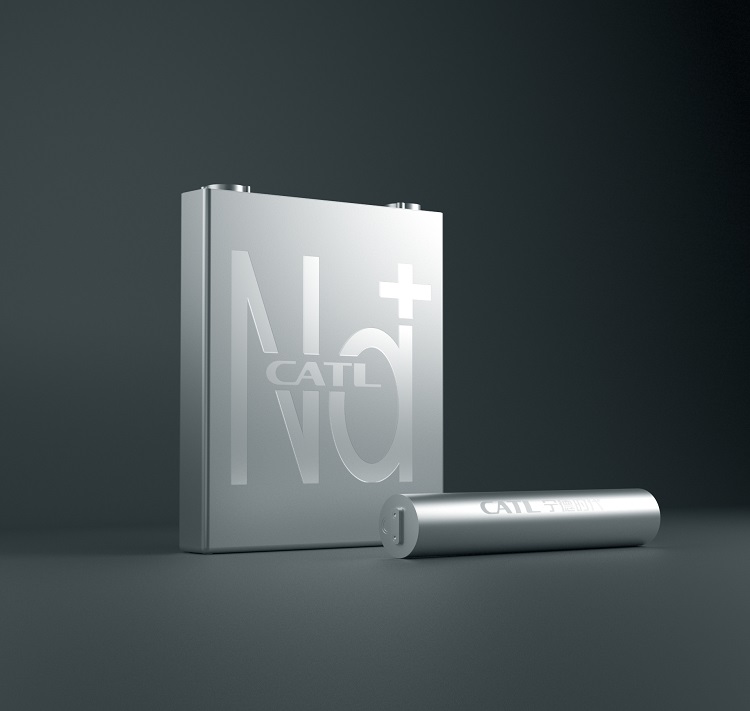
What CATL’s “Breakthrough” Really Means
For the broader market—EVs, energy storage, grid applications—this isn’t just incremental improvement: it has the potential to be transformative. Here are some of the implications:
- EV affordability: If cost drops significantly (some press suggest costs as low as $10/kWh at cell level) the barrier to entry for EVs comes down.
- Diversified battery chemistry: The dominance of lithium‑ion (especially lithium iron phosphate, LFP) could be challenged. CATL itself says sodium‑ion could replace up to half the LFP market.
- Cold‑climate performance & safety: Sodium‑ion’s improved behavior in extreme temperatures and lower fire risk make it attractive for applications beyond just standard passenger cars.
- Energy storage and grid applications: With lower cost and scalable material supply, sodium‑ion could become a go‑to for large scale storage where ultra‑high energy density is less critical than cost/stability.
But… There Are Also Challenges
Of course, no technology is flawless. A few caution points:
- While 175 Wh/kg is impressive, it still trails some lithium‑ion chemistries in raw energy density. That may limit applications where maximum range or high density is critical.
- The commercial ramp‑up (factories, supply‑chains, vehicle integration) is still in early days. Announced mass production is planned for 2026.
- End‑user acceptance, brand trust and system‑integration (battery pack, vehicle design, thermal management) remain hurdles.
Why This Matters for (Your Industry)
For companies in application software, energy systems, manufacturing or mobility (such as … we at Acronyms Unlimited), this breakthrough opens up exciting new possibilities:
- Integration of battery‑systems into products (EVs, heavy vehicles, energy storage systems) becomes more viable and cost‑effective.
- Software for battery management systems (BMS), diagnostics, IoT monitoring will be in greater demand as new chemistries scale.
- Mechanical and electrical engineering challenges—thermal management, pack design, safety systems—will require fresh solutions and innovation.
- Sustainability credentials get a boost: using more abundant materials, potentially reducing dependency on scarce lithium supplies.
The Road Ahead
Over the coming months and years we’ll be watching:
- Which automakers adopt Naxtra or other sodium‑ion packs first?
- How vehicle/energy‑storage OEMs adapt designs and business models for sodium‑ion.
- How manufacturing costs fall and scale builds ramp up.
- What new applications become feasible as cost/risks fall (e.g., grid storage, heavy trucks, remote power).
If CATL’s claims hold up, we’re looking at a shift that could significantly accelerate electrification, broaden who uses EVs, and change how energy storage is done globally.
Final Thought
Innovation doesn’t always come from incremental tweaks—it sometimes comes from rethinking the chemistry entirely. CATL’s sodium‑ion leap isn’t just a “next battery”—it could be the moment the battery industry opens up to a new era. For engineers, product‑builders, and software innovators, now is the time to pay attention, position for change, and start building for the sodium‑ion future.
Let’s talk if you’d like to explore what this means in your sector, or how to architect systems ready for this next wave.